AIVetTree · Cat Oral Health Guide
Cat Bad Breath — Causes and Signs That Warrant Care
The most common cause of feline bad breath, or halitosis, is dental or gum disease. More than half of cats aged 3 or older are reported to have some form of dental disease. Arrange a veterinary exam if bad breath suddenly worsens or occurs with drooling or reduced appetite.
Why does my cat have bad breath?
A healthy cat's breath has almost no specific odor. Persistent bad breath usually starts with problems in the mouth.
- Periodontal disease (tartar and gum inflammation) — the most common cause. Plaque and tartar accumulated on teeth cause gum inflammation and odor.
- Tooth resorption, stomatitis, etc. — Painful lesions may be hidden. (Cat tooth resorption guide)
- Causes outside the mouth — In rare cases, systemic conditions such as kidney disease or diabetes may cause bad breath. See the signs for veterinary care below.
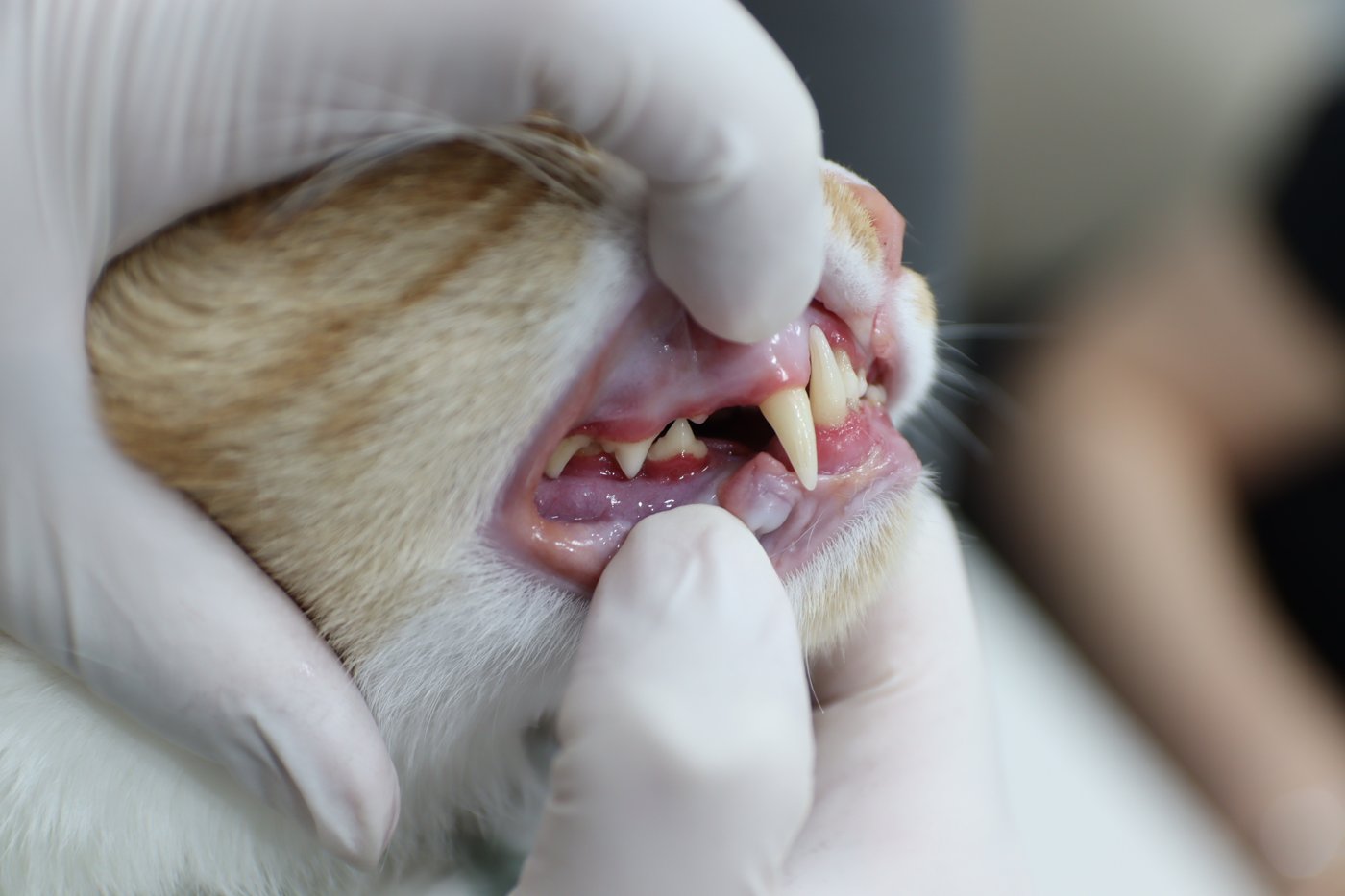
In numbers
- It is reported that more than 50% of cats over 3 years of age have some form of dental disease. (Cornell Feline Health Center)
- Other sources report dental disease in 50–90% of cats aged 4 or older.
- The most common cause of bad breath is periodontal disease. (VCA Animal Hospitals)
※ Numbers vary depending on the study/group and may differ from the condition of each individual cat.
Signs that warrant a veterinary visit
If you notice any of the following signs, arrange veterinary care rather than relying on observation alone.
| Sign | Why it's important |
|---|---|
| Bad breath suddenly gets worse | Possibility of acute problems |
| Drooling or pawing at the mouth | May indicate oral pain |
| Not eating well or chewing only on one side | Possibility of tooth pain and lesions |
| Ammonia (fishy smell), sweet smell | It may be a sign of systemic disease such as kidney disease or diabetes. |
| No improvement even after 2-4 weeks of home care | Professional examination required |
| Cat is aged 7 or older and has not had a recent dental checkup | Recommended age for regular oral examination |
Criteria reference: PetMD·Cornell Feline Health Center.
Care you can do at home
- Daily toothbrushing is the most effective home-care step. Plaque begins to build up again within hours after eating. (AAHA Dental Care Guidelines)
- Don't use human toothpaste — it can be harmful to your cat. Use a toothbrush and toothpaste made for pets.
- Look for dental treats and products accepted by the Veterinary Oral Health Council (VOHC).
- Check your cat's mouth regularly so you can notice changes early.
Frequently asked questions
Why does my cat have bad breath?
The most common cause is periodontal disease caused by plaque and tartar accumulated on teeth. Odor occurs with gum inflammation. In rare cases, systemic diseases such as kidney disease or diabetes may be the cause, so treatment is especially necessary if the odor is ammonia or sweet.
Does bad breath always require a veterinary visit?
You can monitor a mild odor during home care. Arrange a veterinary exam if it suddenly worsens or occurs with drooling, reduced appetite, or signs of pain. A checkup is also appropriate for a cat aged 7 or older, or if the odor does not improve after 2–4 weeks of home care.
How often should I brush my cat’s teeth?
Daily is recommended. Because plaque builds up again within a few hours after eating, daily brushing is essential to prevent this.
Can I use human toothpaste for my cat?
No. Human toothpaste can be harmful to cats, so be sure to use toothpaste made specifically for pets.