AIVetTree · Cat Oral Health Guide
Broken Tooth in Cats: Signs and Next Steps
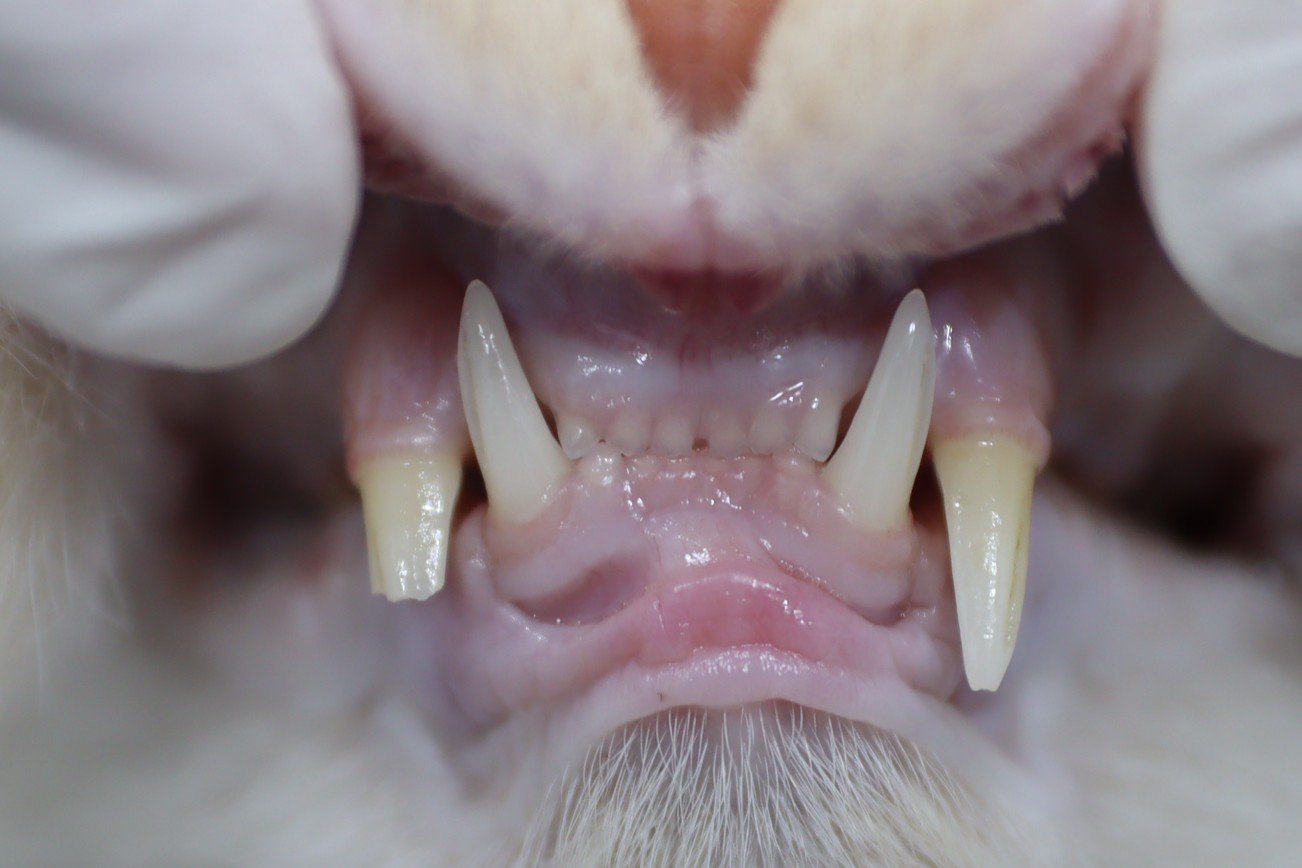
A fractured or damaged tooth in a cat carries a risk of pain and infection and needs a veterinary exam. In particular, exposure of the inner pulp can be very painful and lead to inflammation. Fractures can result from chewing hard objects or impact and are common in canine teeth.
Why should a fractured tooth not be left untreated?
If a tooth breaks and exposes the inner pulp, it can be very painful and allow bacteria to cause root infection or an abscess. Even a small-looking fracture needs a veterinary check for pulp exposure. Because untreated pain can continue, a veterinary exam is needed.
Signs to watch for
| What to look for | What it may mean |
|---|---|
| Part of a tooth is chipped or broken to a sharp edge | Fracture |
| A red or black spot on the broken surface | Possible pulp exposure |
| Chews on one side or avoids hard food | Pain |
| Drooling or avoiding touch around the mouth | Oral pain (see drooling) |
What should I do?
- If you see a broken tooth, arrange a veterinary exam as soon as possible. Radiographs are used to assess the root and pulp.
- Depending on the condition, treatment may involve root canal therapy or extraction, as determined by a veterinarian.
- Preventing your cat from chewing hard bones, toys, or other hard objects may help reduce fracture risk.
Frequently asked questions
Does my cat need a veterinarian for a broken tooth?
Yes. If the pulp is exposed through the broken surface, the tooth can be painful and at risk of infection. Even a small fracture needs a veterinary exam to determine whether the pulp is exposed, so arrange care promptly.
How is a broken tooth treated?
Depending on the condition, treatment may involve root canal therapy or extraction. A veterinarian decides after radiographs and an examination.
Which teeth are most often fractured in cats?
Fractures are relatively common in canine teeth. They can occur after chewing something hard or from impact, so preventing access to hard objects may reduce risk.